


Matrix Audio
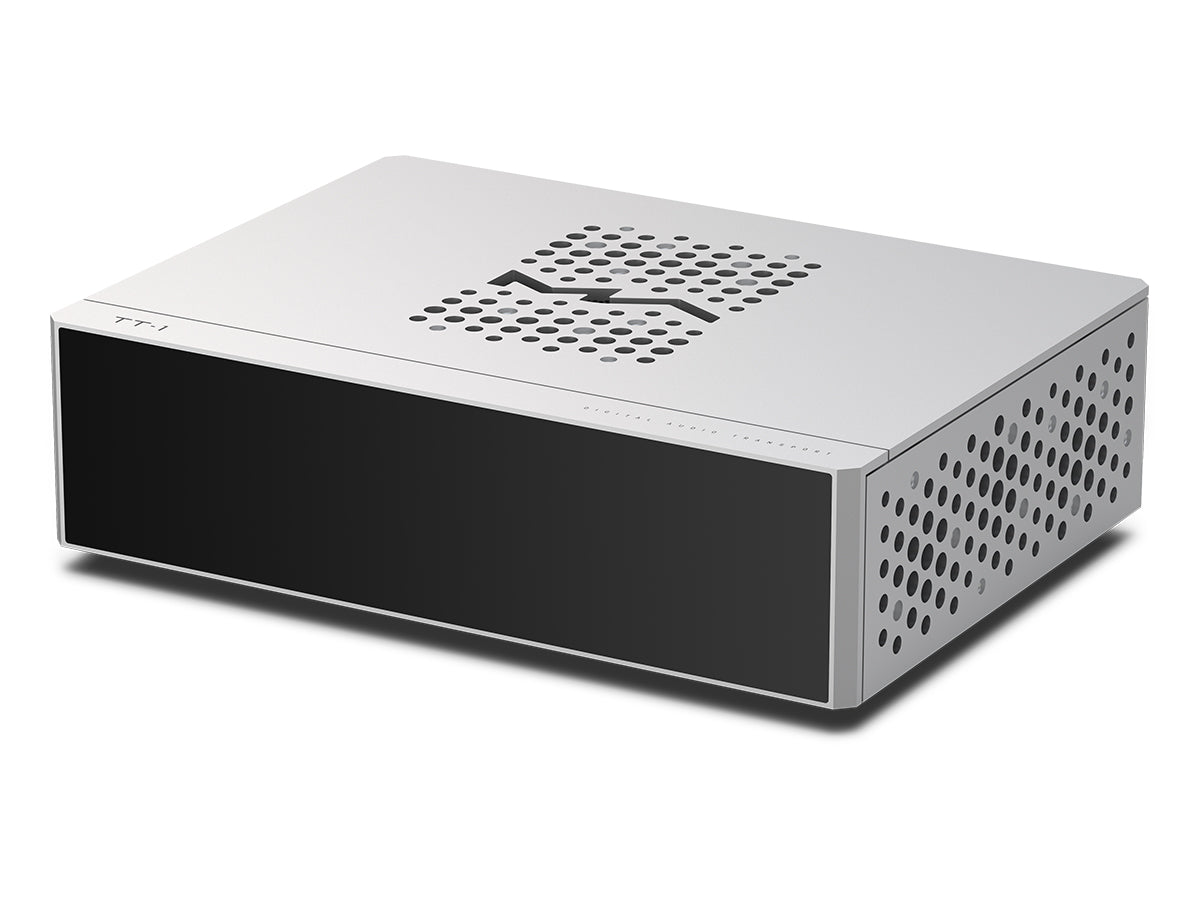
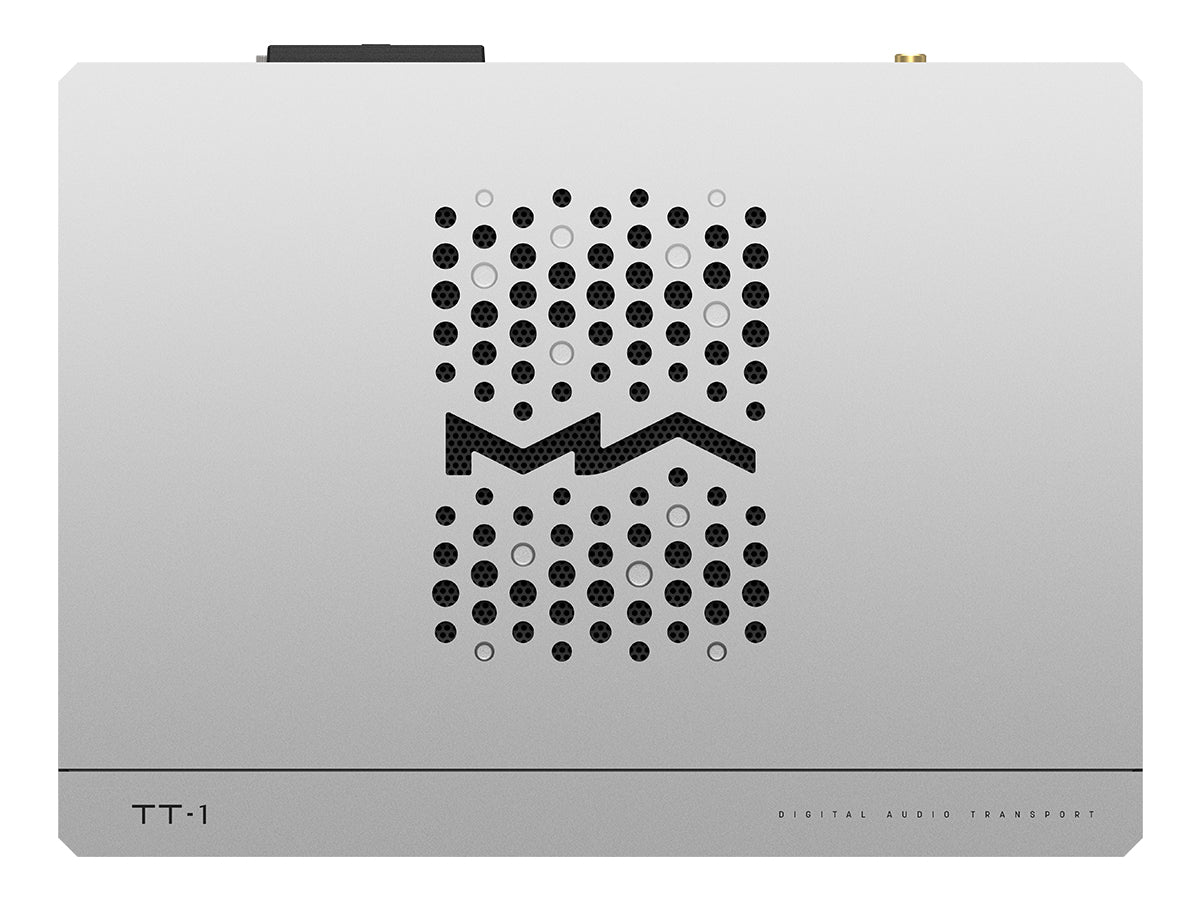
TT-1 Streaming Music Server
$1,799.99 USDPay Over Time
Split your purchase into easy payments.
Fast approval with Klarna.
Select Klarna at checkout to split your purchase into smaller payments.
Features
Auto CD ripping with dual USB 3.0 ports for one-touch copying
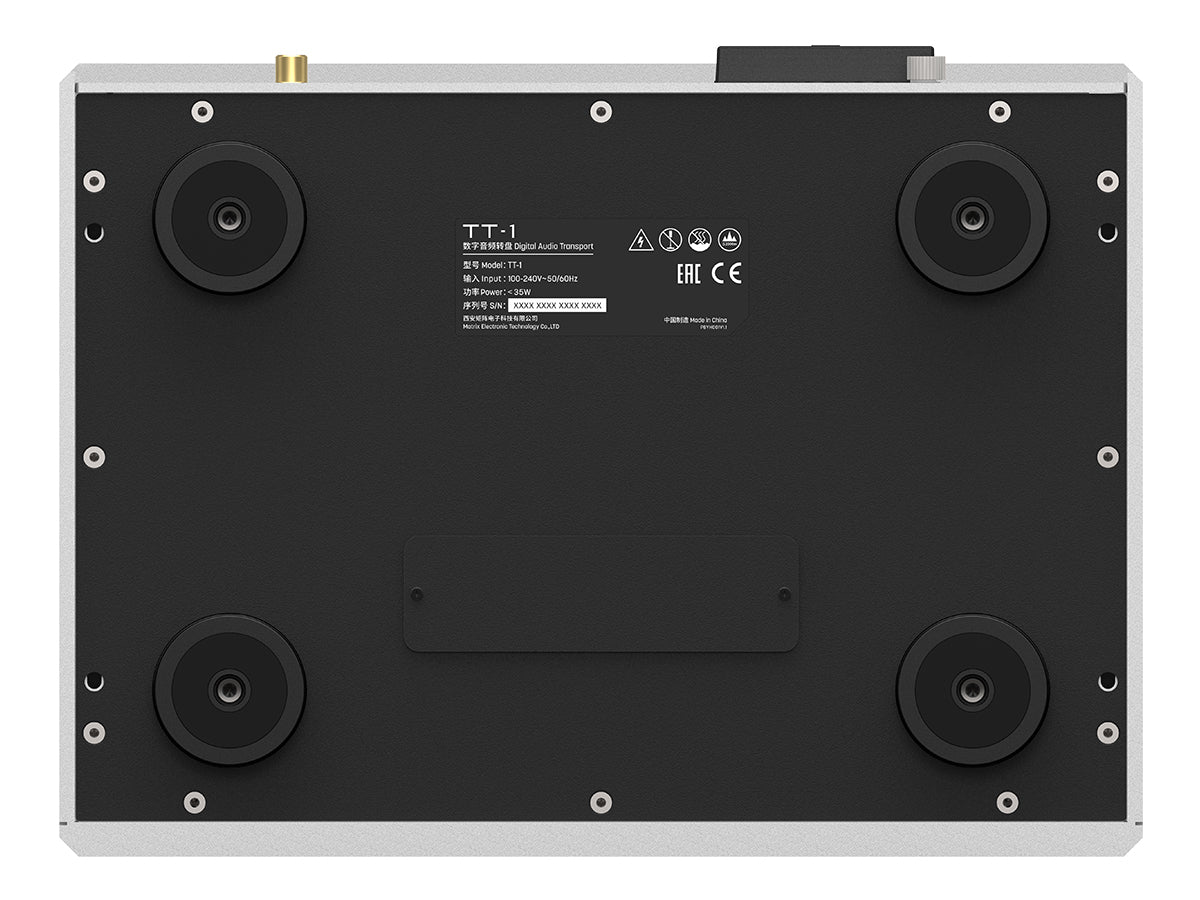
NVMe SSD slot with ultra-low-noise independent power supply for silent, expanded storage
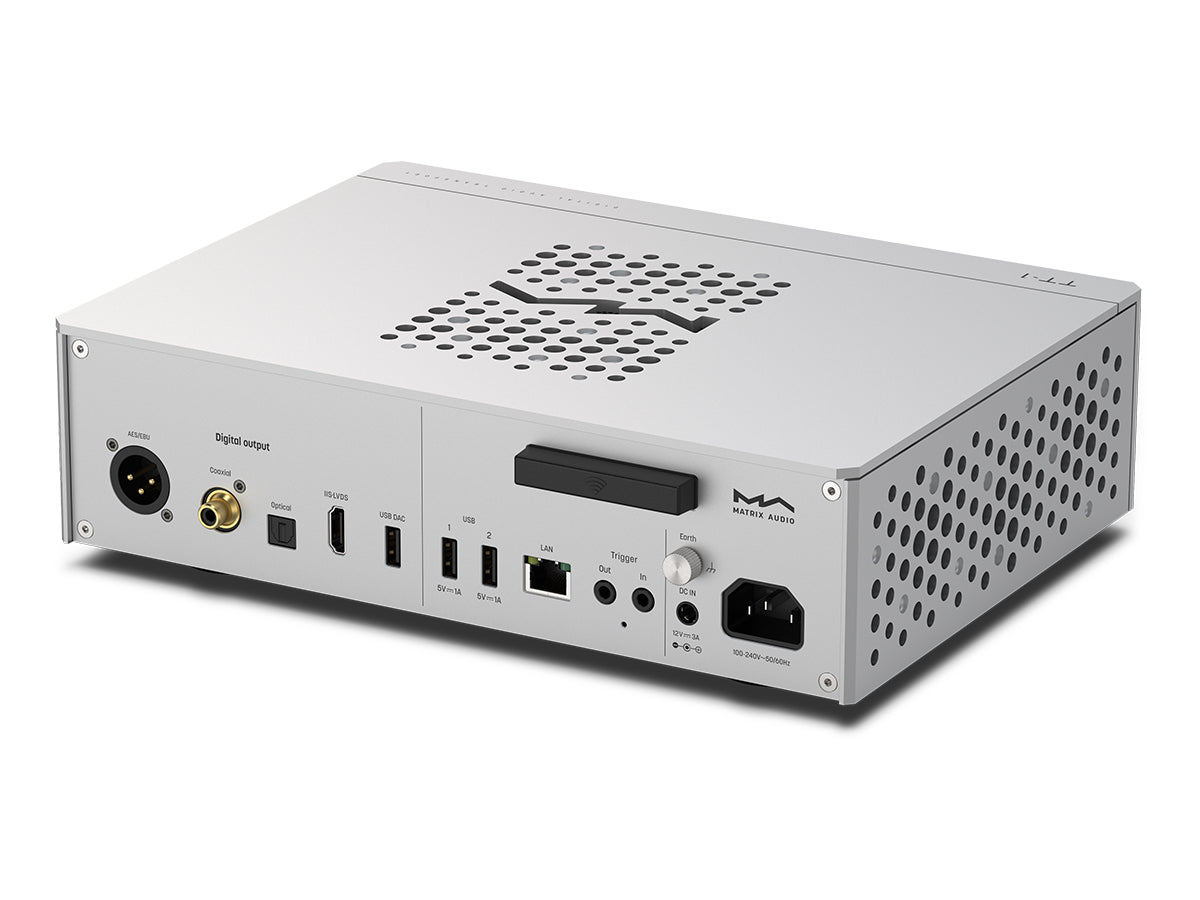
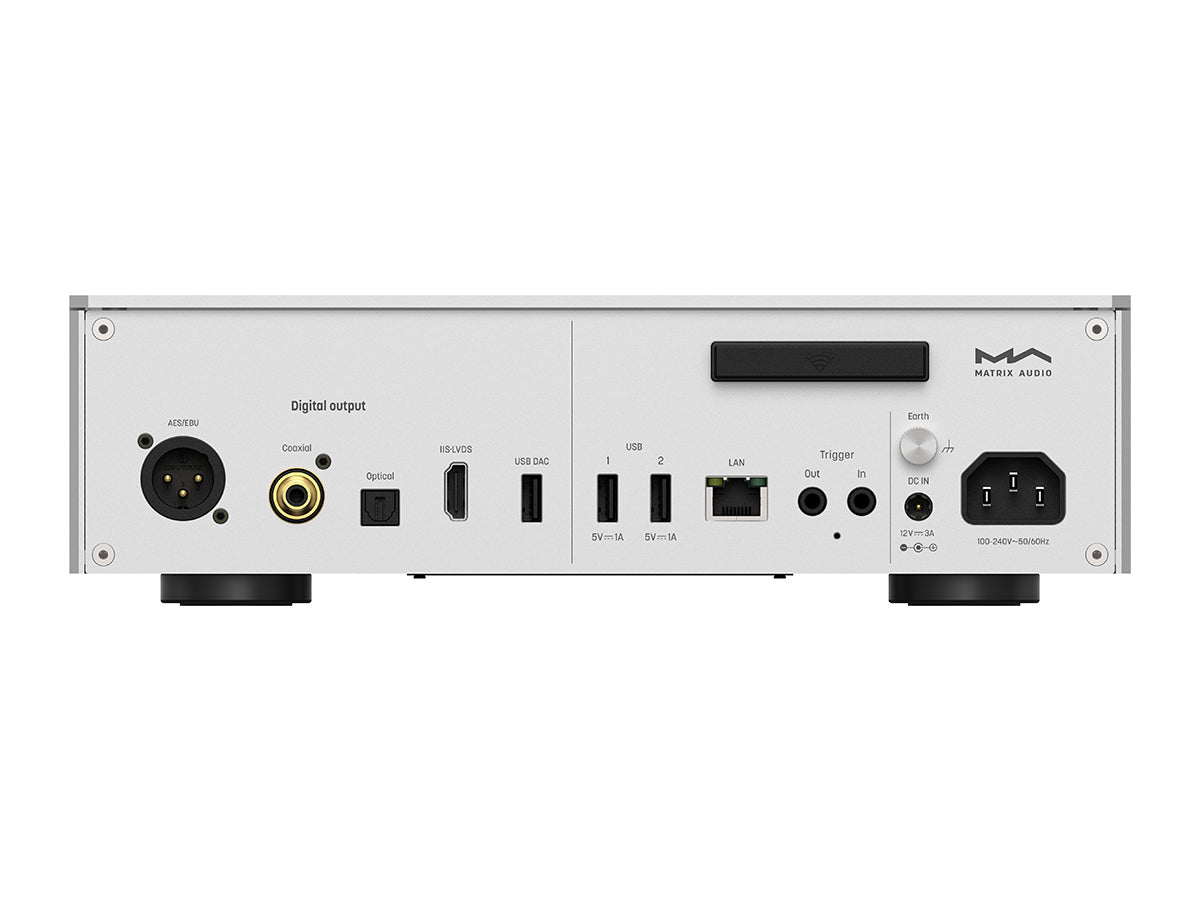
Multiple digital outputs: Optical, Coaxial, AES/EBU, and IIS-LVDS for versatile connectivity
MA Player Hi-Fi Streamer OS with iOS and Android app support for intuitive control
NAS and cloud music mounting (Baidu Netdisk) for comprehensive library access
SMB protocol network sharing—functions as a NAS for other streamers
Smart wake-up and trigger control for automated system operation
Optimized USB DAC interface with calibrated transmission impedance for lossless audio
Optional linear power supply input with priority switching and independent LDO regulation
What's in the Box?
Warranty
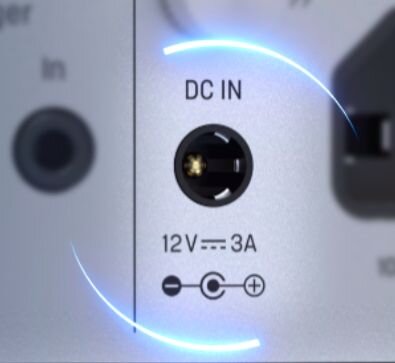
The Matrix Audio TT-1 Digital Audio Transport is the serious digital source that leaves room to grow in your hi-fi system. It's a mid-range digital audio transport that brings the core streaming hardware and design language of the M Series to a wider audience, without cutting corners on the engineering that matters most to a digital source. A DC input accepts an external linear power supply whenever you're ready to take that next step, automatically prioritizing it over the internal AC supply while retaining the ground connection for stability.
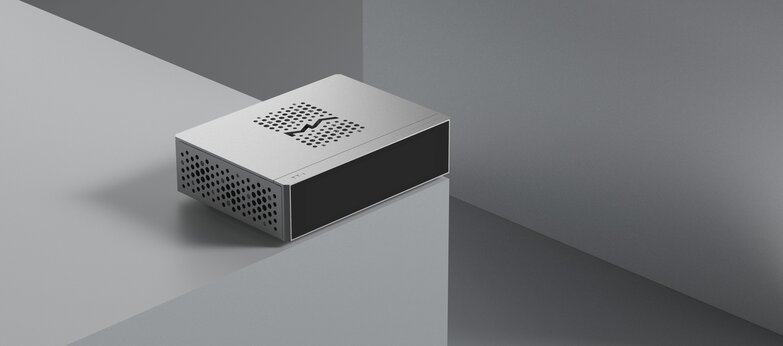
With a dual femtosecond clock system with dedicated oscillators, the TT-1 is built for timely, reliable performance. Pair it with your favorite DAC via optical, coaxial, AES/EBU, or IIS-LVDS, and the TT-1 delivers a low-jitter, high-fidelity digital signal–passing both PCM and native DSD (DoP) with equal precision–that rivals all-in-one components any day. For audiophiles who want a clean, capable digital source without constant tweaking, but the option to do so down the line, the TT-1 is a straightforward choice.


Music Listening Without Limits
The TT-1 is built for anything you throw at it. It integrates natively with TIDAL, Qobuz, HIGHRESAUDIO, and internet radio, and supports Roon Ready, TIDAL Connect, Qobuz Connect, Spotify Connect, Apple AirPlay 2, Audirvana, QPlay, and UPnP/DLNA. Control everything from the palm of your hand with the MA Remote App, available on iOS and Android, giving you full source switching, volume control, and library browsing from anywhere in the room. Regardless of which platform or protocol you prefer, the TT-1 works with you, not against you.

And if streaming isn't your vibe, the TT-1 handles your local music library too. Mount a NAS, connect cloud storage, or install an NVMe SSD in the dedicated bottom slot for expanded SSD storage–each running on its own ultra-low-noise independent power supply for a quieter operating environment than any standard PC provides. The dual USB 3.0 ports on the TT-1 support both external storage and optical drives, with auto CD ripping and one touch copy functionality built right in. Via SMB, the TT-1 can serve its stored library across your network, functioning as a NAS for other streamers in your system.
The TT-1 wakes up automatically on playback, be it local or streaming, and can power up your DAC and amplifier in sequence using the trigger connection. Wi-Fi 6 is available for flexible placement, though a wired Ethernet connection is recommended for high-resolution streaming where stability matters most. For even greater performance, consider pairing the TT-1 with a dedicated audio-grade network switch like the Matrix Audio SS-1 Pro, and if you want to clean up the signal even further upstream, adding the Matrix Audio SI-1 Network Isolator between your router and switch can provide an additional layer of noise reduction that pays real dividends in your sound quality.

Dual Femtosecond Clock
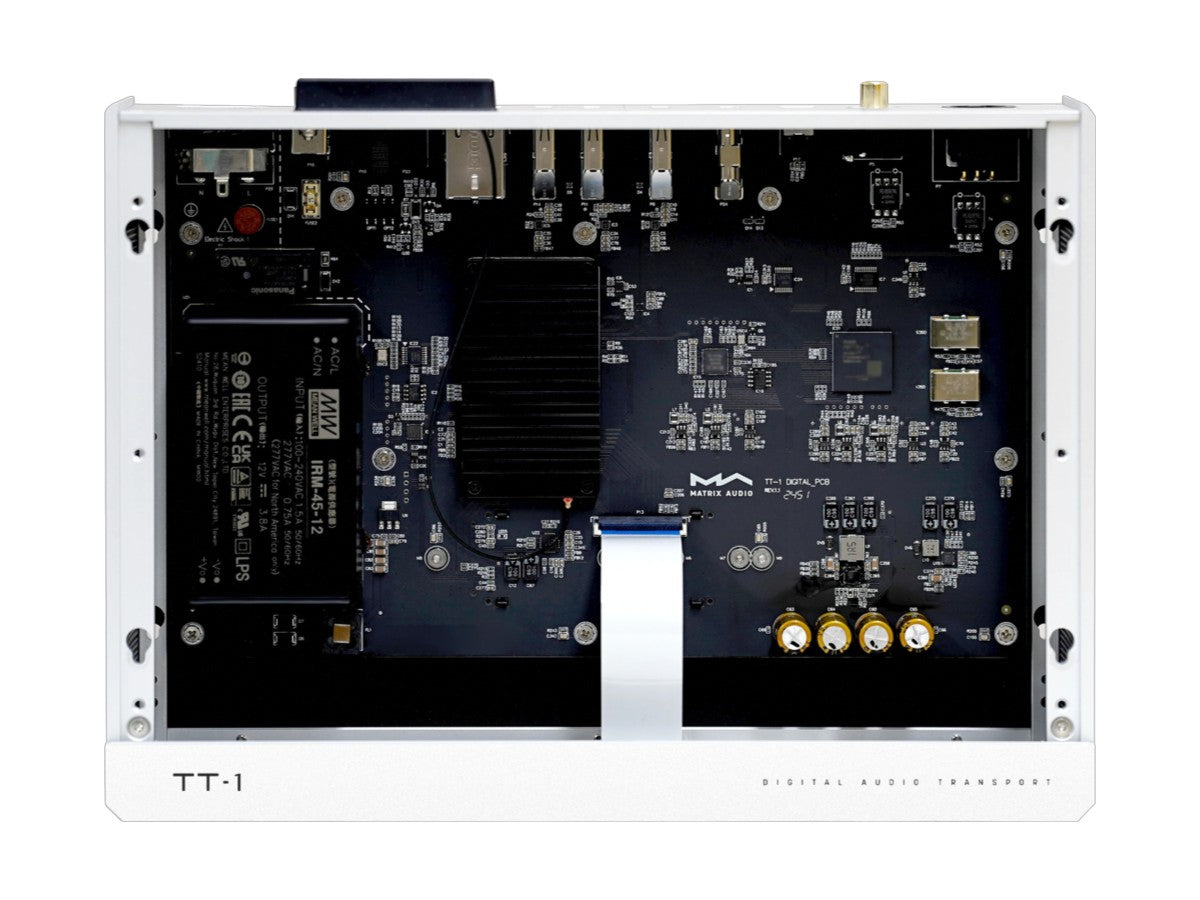
At the heart of the TT-1 sit two independent ultra-low phase noise femtosecond clocks–one for 44.1kHz and its multiples, one for 48kHz—are each powered by their own low-noise linear regulator. An FPGA handles frequency division and clock switching automatically, ensuring the correct reference is always in use. The result is a timing foundation that minimizes jitter at the source, before the signal ever reaches your DAC–whether streaming PCM at 768kHz or passing native DSD512 via DoP.
Smart System Integration with Multiple Digital Outputs
The TT-1 provides a clean digital output over USB, coaxial, and AES/EBU, giving you flexibility to match whatever digital input your DAC supports. It pairs well with a broad range of converters, from mid-tier options all the way up to units from brands like Aurender-class competition. If you already have a cd player or other source in your rack, the TT-1 slots right in as a dedicated network streamer handling all your cloud music and local playback duties.
The TT-1's USB DAC output is optimized for audio transmission, with precisely calibrated impedance matching at the physical layer to eliminate signal reflections and loss. Transmission noise is actively minimized, ensuring the signal your DAC receives is as clean as what left the TT-1.
The TT-1's internal wide voltage switching power supply handles global AC compatibility out of the box, while a dedicated DC input lets you add an external power supply if you'd like. It will automatically switch to it when connected, disconnecting the internal AC supply while retaining the ground. Onboard power filtering and independent low-noise LDOs for each circuit stage mean clean power delivery is already built in — the linear supply option is simply the next level when you want it.

FAQs
How does the TT-1 differ from the NT-1, and how do I choose between them?
Both the TT-1 and NT-1 are dedicated network transports sharing the same M Series streaming platform and MA Player OS. The key differences are in the clock system and power supply. The Matrix Audio NT-1 caries a flagship-derived clock with both internal femtosecond and external clock input modes. The TT-1 uses a dual femtosecond clock system without an external clock input. The TT-1 has a DC input to add an external linear power supply down the road over the internal AC input. If you're building a reference-level system around an external clock source, the NT-1 is the choice. If you want serious clocking performance and a clear upgrade path via linear power supply at a more accessible price, the TT-1 is a stronger fit. For those who prefer an all-in-one solution, the Matrix Audio TS-1 handles streaming, DAC conversion, and headphone amplification in a single chassis.
Do I need a linear power supply to get good performance from the TT-1?
No. The TT-1 performs at a high level with its internal AC power supply, which includes onboard power filtering and independent low-noise LDOs for each circuit section. The DC input for an external linear is an optional upgrade that's useful for those who want to extract the last degree of performance, but it's not necessary to enjoy what the TT-1 does well.

| Parameter | Specification |
|---|---|
| Physical Specifications | |
| Weight | 2.76 kg (6.08 pounds) |
| Dimensions | Width: 280 mm (11.02 inches) Depth: 210 mm (8.27 inches) Height: 82 mm (3.23 inches) |
| Accessories | Power cable × 1 Printed material × 1 |
| Audio Specifications | |
| Local Playback Formats | MP3, WMA, WAV, AIF, AIFC, AIFF, AAC, FLAC, OGG, APE, ALAC, M4A, DSF, DFF, CUE, ISO |
| PCM Support | 16-24 Bit / 44.1 kHz, 48 kHz, 88.2 kHz, 96 kHz, 176.4 kHz, 192 kHz, 352.8 kHz, 384 kHz, 705.6 kHz, 768 kHz |
| DSD Support | 2.82 MHz, 3.07 MHz, 5.64 MHz, 6.14 MHz, 11.29 MHz, 12.29 MHz, 22.58 MHz, 24.58 MHz |
| Streaming Services | Roon Ready (PCM 16-24 Bit up to 768 kHz, DSD up to 22.58 MHz) AirPlay 2 DLNA/UPnP TIDAL Connect Spotify Connect Qobuz Connect QQ Music vTuner Radio Paradise |
| Controller App | MA Remote App |
| Digital Output Specifications | |
| COAXIAL, OPTICAL & AES/EBU | PCM 16-24 Bit / 44.1 kHz, 48 kHz, 88.2 kHz, 96 kHz, 176.4 kHz, 192 kHz DSD 2.8 MHz (DoP) |
| IIS LVDS | PCM 16-32 Bit / 44.1 kHz, 48 kHz, 88.2 kHz, 96 kHz, 176.4 kHz, 192 kHz, 352.8 kHz, 384 kHz, 705.6 kHz, 768 kHz DSD 2.82 MHz, 3.07 MHz, 5.64 MHz, 6.14 MHz, 11.29 MHz, 12.29 MHz, 22.58 MHz, 24.58 MHz |
| USB DAC Output | Depends on the specifications supported by the connected USB DAC device Maximum: PCM 32 Bit / 768 kHz and DSD 24.58 MHz Power Supply: 5V / 1A low-noise |
| Connectivity Specifications | |
| Network LAN | 10/100/1000 Mbps |
| Wi-Fi | 2.4 GHz / 5 GHz |
| USB Ports | USB 3.0 × 2 Maximum Power: 5V / 1A per port Supports: USB mass storage standard File Formats: FAT, FAT32, exFAT, NTFS Note: Not guaranteed compatible with all storage devices |
| Trigger In | DC 6-12V < 10 mA |
| Trigger Out | DC 12V / 50 mA MAX |
| Storage Specifications | |
| M.2 SSD Slot | M.2 2280, 2260, 2242 NVMe PCIe SSD × 1 Maximum Power: DC 3.3V / 3A |
| Power Specifications | |
| AC Input | Wide voltage switching power supply Power Voltage: AC 100V-240V 50/60Hz Power Consumption: < 35W |
| DC Input | External Power Voltage: DC 12V ±10% External Power Wattage: Larger than 35W Power Plug: Outer diameter 5.5 mm; inner diameter 2.1 mm (+ for inner, - for outer) |
- JBJACK B.Verified BuyerRated 4 out of 5 stars6 months agoTT-1 Streaming Music Server
I returned it after I realized I had ordered the wrong item I wanted the Matrix with the headphone jack Moon Audio accepted my return without issue but for what this streamer offers it does well